Oral GLP-1
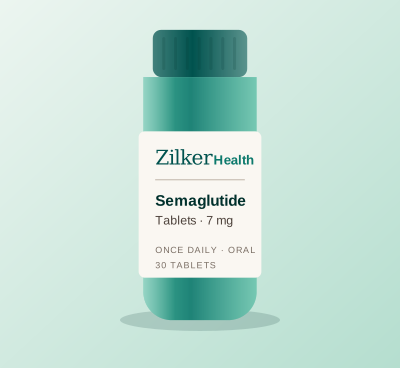
Semaglutide Tablets
Daily, needle-free GLP-1 treatment for weight loss.
The same medicine as the injection, taken as a daily tablet. No needles, but it asks more of your morning routine, because it only works properly when taken on an empty stomach.
- Format
- Oral tablet
- Cadence
- Once daily, on waking
- Dose range
- 3 mg up to 14 mg
- From
- $299 per month
How it works
The same effect, a different route
The tablet works the same way as the injection. Less hunger, fuller for longer, steadier blood sugar.
Getting it absorbed is the challenge
Your stomach is built to break down something like semaglutide. The tablet includes an ingredient that helps a small amount survive and get through.
Why the empty stomach rule matters
Food, drink and other tablets sharply reduce how much gets absorbed. That 30 minute window is the difference between a dose that works and one that mostly does not.
What to expect
- Weeks 1 to 4
Starting dose, mainly to let your body adjust. Build the morning routine now, because consistency drives everything after this.
- Weeks 5 to 8
Dose increases. Appetite changes usually become noticeable.
- Month 3 onward
Up to the full dose if you need it and tolerate it. Your doctor may suggest switching to the injection if the tablet is not absorbing reliably for you.
Dosing & titration
| Weeks 1 to 4 | 3 mg daily |
|---|---|
| Weeks 5 to 8 | 7 mg daily |
| Week 9 onward | Up to 14 mg daily |
Take it when you wake up with no more than a small sip of plain water. Wait at least 30 minutes before any food, any other drink, or any other tablets.
Is it right for you?
Often a good fit
- People who strongly dislike needles
- People who prefer a daily habit to a weekly one
- Anyone who can reliably protect half an hour each morning
Not a fit
- Anyone with a personal or family history of medullary thyroid cancer
- Pregnancy, breastfeeding, or trying to conceive
- People whose mornings make the empty stomach window unrealistic
- Anyone taking several time-sensitive morning medications, without discussing the order first
Safety information
The reference versions of these medicines carry the FDA's strongest form of warning. In animal testing they caused thyroid tumours. It is not known whether they do the same in people, but anyone with a personal or family history of a particular thyroid cancer should not take them.
Do not take this medicine if you have
- A personal or family history of medullary thyroid cancer
- A rare inherited condition called Multiple Endocrine Neoplasia type 2
- A previous serious allergic reaction to semaglutide or tirzepatide
- Pregnancy, trying to conceive, or breastfeeding
Common side effects
- Nausea
- The most common one, usually strongest in the days after a dose increase.
- Vomiting and diarrhoea
- Normally early and temporary. Tell your doctor if it carries on.
- Constipation
- Fluids, fibre and movement help. Your doctor can advise.
- Stomach pain, reflux, burping
- Smaller, slower, lower-fat meals usually settle this.
- Tiredness and headache
- Often a sign you are not eating or drinking enough.
Serious risks, seek care if these occur
- Inflammation of the pancreas
- Severe stomach pain that will not go away, with or without vomiting. Stop taking it and get medical help.
- Gallbladder problems
- Losing weight quickly raises the risk of gallstones. Pain under your right ribs, fever or yellowing skin needs urgent attention.
- Low blood sugar
- The risk rises sharply if you also take insulin or certain diabetes tablets. Those doses need reviewing before you start.
- Kidney problems
- Usually caused by dehydration from vomiting or diarrhoea. Keep your fluids up.
- Eye changes if you have diabetes
- If you already have diabetic eye disease, improving your blood sugar quickly can make it worse for a time. Tell your doctor.
- Slowed stomach emptying
- This can become a problem in its own right, and it matters before surgery. Tell any surgeon or anaesthetist that you are taking this medicine.
Interactions
Because these medicines slow how quickly your stomach empties, they can change how fast other tablets are absorbed. Give your doctor your full medication list, including insulin, diabetes tablets, thyroid medication and the contraceptive pill.
This summary is not complete. Your physician will review your full history, and you should read the information supplied with your medication.