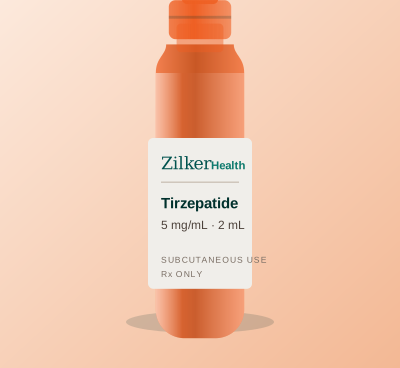
Injectable GLP-1
Semaglutide Injection
Weekly, injectable GLP-1 treatment for weight loss.
Semaglutide is the most studied weight loss medicine available today. One injection a week, increased slowly by your physician until you reach the lowest dose that works for you.

- Format
- Subcutaneous injection
- Cadence
- Once weekly
- Dose range
- 0.25 mg up to 2.4 mg
- From
- $299 per month
How it works
Reduces hunger
Semaglutide copies a hormone your gut releases after eating. It acts on the part of the brain that controls appetite, which is why hunger and constant thoughts about food tend to fade.
Keeps you full for longer
Food leaves your stomach more slowly, so meals stay satisfying and portions come down naturally rather than through willpower.
Steadies blood sugar
It helps your body manage blood sugar after meals, working only when your levels are high, so on its own it rarely causes low blood sugar.
What to expect
- Weeks 1 to 4
Starting dose. This stage is about letting your body adjust, not about losing weight. Mild nausea is common and usually settles.
- Weeks 5 to 16
Your dose steps up roughly every 4 weeks if you are tolerating it. Appetite changes become clearer and steady weekly loss usually begins.
- Months 4 to 12
Your dose holds wherever results and side effects balance out. In studies, people on the full dose lost around 15% of their body weight over about 16 months. Individual results vary a lot.
Dosing & titration
| Weeks 1 to 4 | 0.25 mg weekly |
|---|---|
| Weeks 5 to 8 | 0.5 mg weekly |
| Weeks 9 to 12 | 1.0 mg weekly |
| Weeks 13 to 16 | 1.7 mg weekly |
| Week 17 onward | Up to 2.4 mg weekly |
This is a guide, not your prescription. Your physician sets your schedule and may hold or lower a dose at any point.
Is it right for you?
Often a good fit
- Adults with a BMI of 30 or above, or 27 and above with a weight-related condition
- People who would rather dose once a week than every day
- People who have tried changing diet and activity without lasting results
Not a fit
- Anyone with a personal or family history of medullary thyroid cancer
- Pregnancy, breastfeeding, or trying to conceive
- Anyone who has had pancreatitis, which needs careful review first
- Anyone already taking another medicine in this class
Safety information
The reference versions of these medicines carry the FDA's strongest form of warning. In animal testing they caused thyroid tumours. It is not known whether they do the same in people, but anyone with a personal or family history of a particular thyroid cancer should not take them.
Do not take this medicine if you have
- A personal or family history of medullary thyroid cancer
- A rare inherited condition called Multiple Endocrine Neoplasia type 2
- A previous serious allergic reaction to semaglutide or tirzepatide
- Pregnancy, trying to conceive, or breastfeeding
Common side effects
- Nausea
- The most common one, usually strongest in the days after a dose increase.
- Vomiting and diarrhoea
- Normally early and temporary. Tell your doctor if it carries on.
- Constipation
- Fluids, fibre and movement help. Your doctor can advise.
- Stomach pain, reflux, burping
- Smaller, slower, lower-fat meals usually settle this.
- Tiredness and headache
- Often a sign you are not eating or drinking enough.
Serious risks, seek care if these occur
- Inflammation of the pancreas
- Severe stomach pain that will not go away, with or without vomiting. Stop taking it and get medical help.
- Gallbladder problems
- Losing weight quickly raises the risk of gallstones. Pain under your right ribs, fever or yellowing skin needs urgent attention.
- Low blood sugar
- The risk rises sharply if you also take insulin or certain diabetes tablets. Those doses need reviewing before you start.
- Kidney problems
- Usually caused by dehydration from vomiting or diarrhoea. Keep your fluids up.
- Eye changes if you have diabetes
- If you already have diabetic eye disease, improving your blood sugar quickly can make it worse for a time. Tell your doctor.
- Slowed stomach emptying
- This can become a problem in its own right, and it matters before surgery. Tell any surgeon or anaesthetist that you are taking this medicine.
Interactions
Because these medicines slow how quickly your stomach empties, they can change how fast other tablets are absorbed. Give your doctor your full medication list, including insulin, diabetes tablets, thyroid medication and the contraceptive pill.
This summary is not complete. Your physician will review your full history, and you should read the information supplied with your medication.